During the tremendous acceleration of life, mind and eye become accustomed to half and wrong vision and judgment.
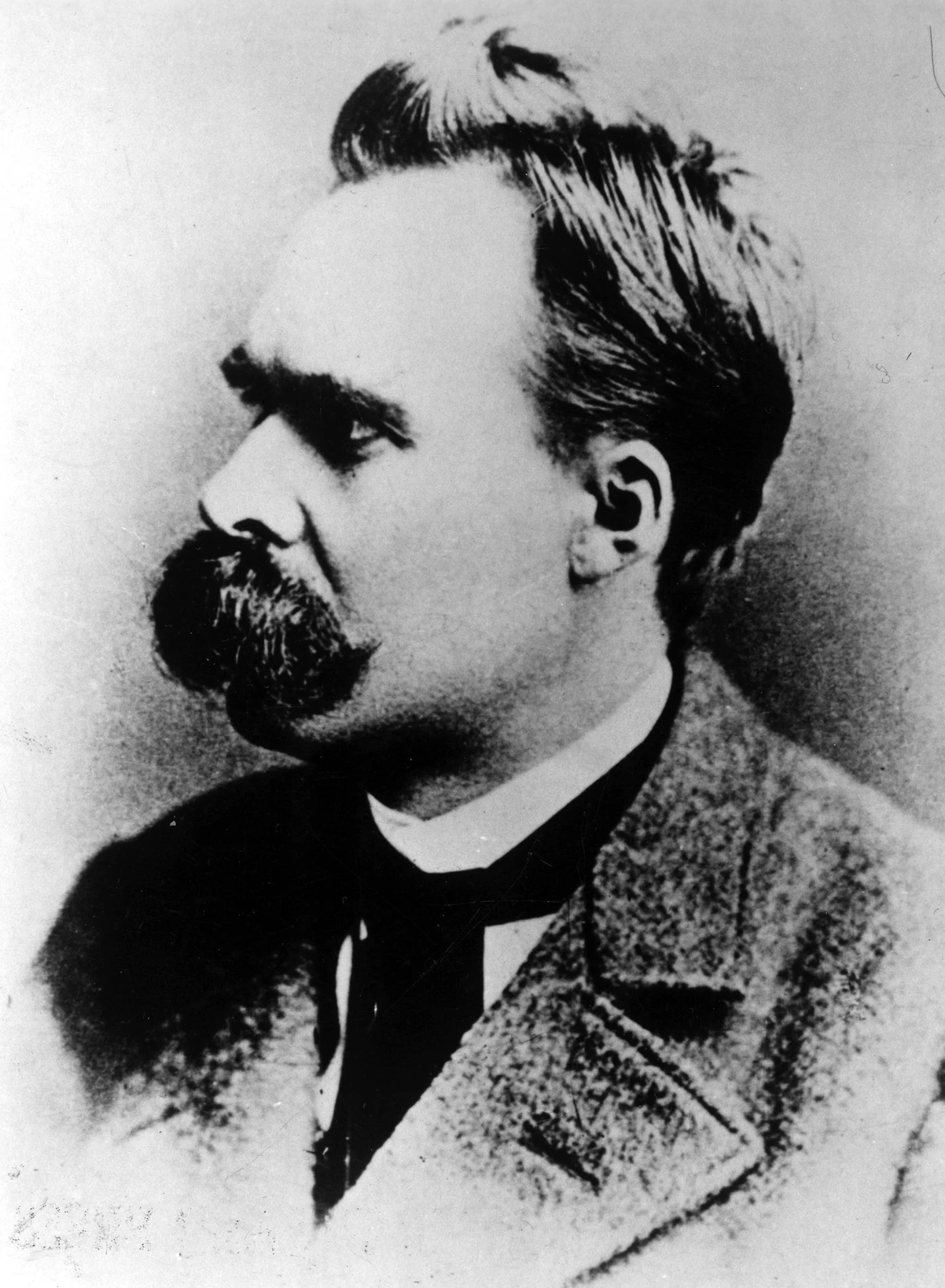
Friedrich Nietzsche (1844-1900), German philosopher
The impact of speeding up life on our society
If Friedrich Nietzsche could look today at the “tremendous acceleration of life,” which has reached a new dimension through digitalization, artificial intelligence and global connectivity, he could possibly comment on the following:
- Deepening the “half and wrong”: Nietzsche would probably recognize that the “half and wrong vision and judgment” that he described at the time has been massively reinforced by modern technologies. In a world of information overload and superficial communication via social media, he could regard the tendency towards rapid, unreflected judgments and opinions as a dangerous shortening of mental depth.
- Risk of herd shoots: Nietzsche, who often criticized the “herd” and conformism, could argue that the digital world has further strengthened collective opinion formation, so that individual judgments are increasingly influenced by groupthink and algorithm-driven “filter bubbles.”
- Acceleration and loss of Dionysian: He could regard today's fixation on efficiency, speed, and optimization as a further alienation from the creative, Dionysian aspects of life, which he saw as essential to human existence. He may see the “culture of acceleration” as a departure from the contemplative depth and sensual pleasures of life.
- Possible comfort in overcoming: However, Nietzsche could also recognize a challenge in technology and acceleration that can drive people to overcome themselves and create new value. His concept of “superman” includes the idea that humans can shape the conditions of their existence — perhaps also by using technology wisely and creatively instead of letting it control them.
- Criticism of the “last humanity”: Nietzsche could also warn us of the danger of becoming “last people” — satisfied, risk-averse beings who lose themselves in comfort and trivia while the opportunity for creative renewal atrophies away.
Overall, Nietzsche could regard today as a radicalized version of what he already diagnosed in the 19th century: an era of rapid progress that, although unleashing tremendous potential, simultaneously challenges people to use this potential in accordance with their spiritual and existential depth.